
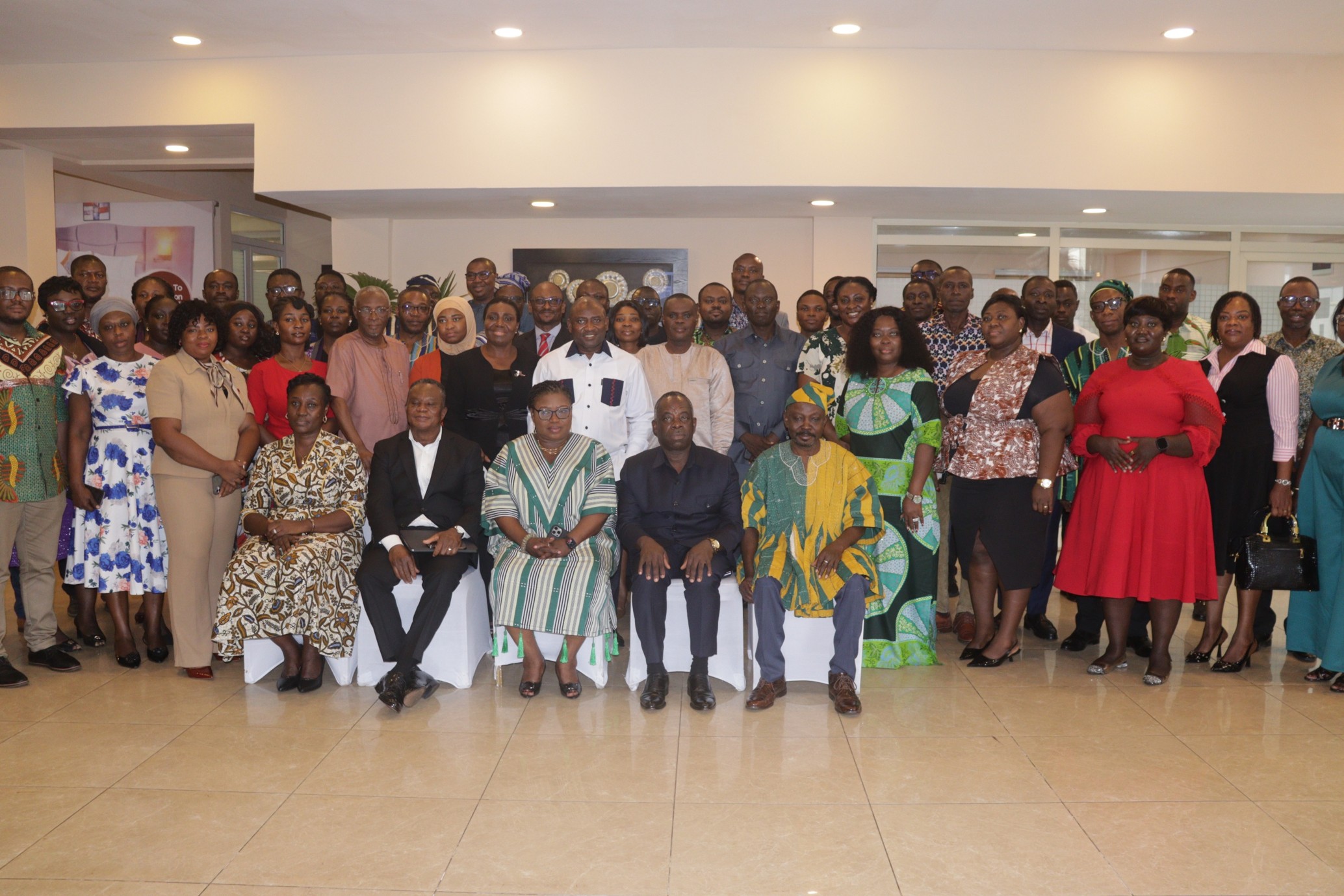
Accra, July 29, 2026 – The Government of Ghana has taken a major step towards transforming public administration by validating the National Public Sector Reform Strategy II (NPSRS II), a comprehensive framework designed to build an efficient, accountable and citizen-centred public service.
The National Stakeholder Validation Workshop, organised by the Public Sector Reform Secretariat (PSRS) under the Office of the President, brought together senior government officials, development partners, representatives of Ministries, Departments and Agencies (MDAs), Civil Society Organisations, Academia, Organised Labour, the Private Sector and the Media at the AH Hotel in East Legon, Accra.
The workshop marked the final stage in the development of the Strategy before its formal adoption and implementation as Ghana’s blueprint for public sector reforms over the next five years.
Speaking at the opening ceremony, the Minister of State in Charge of Public Sector Reforms, Hon. Lydia Lamisi Akanvariba, described the Strategy as “a transformative roadmap for building a modern, accountable and citizen-centred public service capable of responding to Ghana’s evolving developmental needs”.
She said the Strategy seeks to improve public service delivery by reducing inefficiencies, enhancing transparency and accountability, strengthening professionalism, and leveraging digital technologies. “It also ensures that quality public services are accessible to all citizens", she added. According to her, the true measure of the Strategy’s success will be the positive impact that citizens experience through faster, more efficient, and more responsive public service delivery.
The NPSRS II is anchored on seven strategic pillars: citizen and private sector oriented service delivery; a capable and disciplined workforce; a strengthened public service regulatory framework; modern and improved working conditions; strengthened local governance structures, systems and processes; digitalised public sector systems and services; and sustainable funding for public sector reforms.
Reading a speech on behalf of the Deputy Chief of Staff (Administration) and Chairperson of the NPSRS II Oversight Committee, Nana Oye Bampoe-Addo, Mr. Kizito Ballans, Technical Advisor to the Deputy Chief of Staff , stressed that the successful implementation of the Strategy would require “stronger implementation mechanisms, effective monitoring and evaluation, integrated digital government systems, leadership development, continuous workforce reskilling and structured citizen feedback mechanisms”.
She noted that these critical enablers would ensure that reforms are effectively implemented, progress is consistently monitored and measured, and public institutions remain responsive to the needs and expectations of citizens. He further called on all stakeholders to demonstrate strong ownership and commitment to translating the Strategy into tangible improvements in public service delivery across the country.
The Head of Civil Service, Dr Evans Aggrey Darko, also underscored the importance of sustained public sector reforms to strengthen state institutions, improve service delivery and support Ghana’s long-term economic and social development.
He observed that reform must remain a continuous process because institutions naturally decline over time and must adapt to changing national and global realities.
“Institutions decay with time. We also live in a very complex, ambiguous and uncertain world. Therefore, we need to do things differently. Citizens’ expectations continue to change, and there is increasing pressure on government to deliver more with limited resources,” he said.
Dr Darko explained that public sector reform extends beyond restructuring institutions to reviewing systems, improving business processes, strengthening human resource capacity and placing citizens at the centre of public service delivery.
He emphasised that investing in the capacity of public service personnel is essential to improving the quality of government services.
“You cannot give what you do not have. We must continue to build the capacity of our personnel because, at the end of the day, the quality of the services we provide will determine our relevance and value to the people,” he stated.
Participants at the workshop reviewed the final draft of the Strategy and provided recommendations to ensure that it reflects national priorities and enjoys broad stakeholder ownership before its adoption.
Once approved, the National Public Sector Reform Strategy II is expected to serve as Ghana’s principal policy framework for driving public sector reforms, improving efficiency, transparency and accountability while restoring public confidence in state institutions. The Strategy is also expected to enhance coordination across government institutions and support sustainable national development through improved public service delivery.
The workshop concluded with stakeholders reaffirming their commitment to supporting the successful implementation of the Strategy, paving the way for a more responsive, efficient and citizen-centred public service that delivers better outcomes for all Ghanaians.
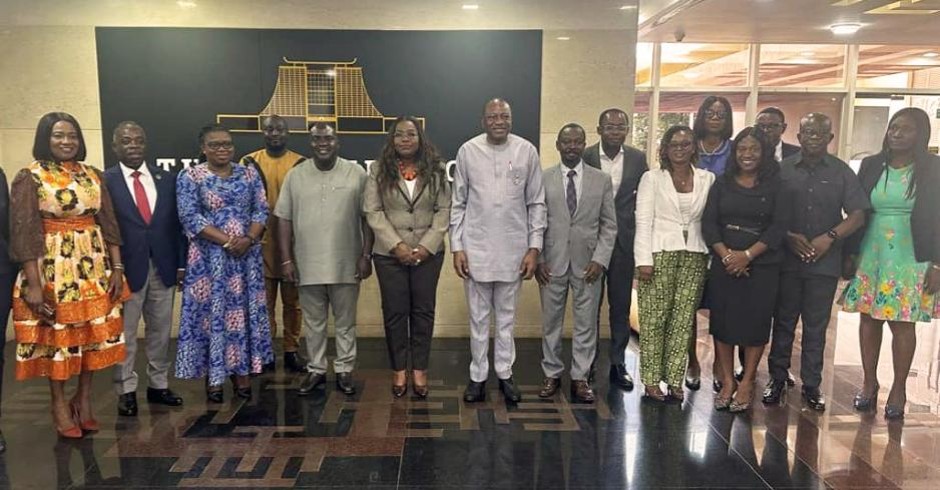
Accra, June 16, 2026 – The Government of Ghana has taken a significant step towards advancing public sector transformation with the inauguration of the Oversight Committee tasked with providing strategic direction for finalising and implementing the National Public Sector Reform Strategy II (NPSRS II).
The Committee held its inaugural meeting at Jubilee House on June 16, bringing together key stakeholders to chart a roadmap for completing the strategy and guiding its implementation. The meeting also saw the election of Evans Aggrey-Darko (Ph.D.) as Vice Chairman of the Oversight Committee.
Addressing members, the Minister of State in charge of Public Sector Reforms, Hon. Lydia Lamisi Akanvariba (MP), reflected on Ghana’s long-standing public sector reform efforts, which began in 1987. She noted that lessons from previous reform programmes had informed the development of the new strategy, which seeks to address persistent challenges affecting efficiency and service delivery across the public sector.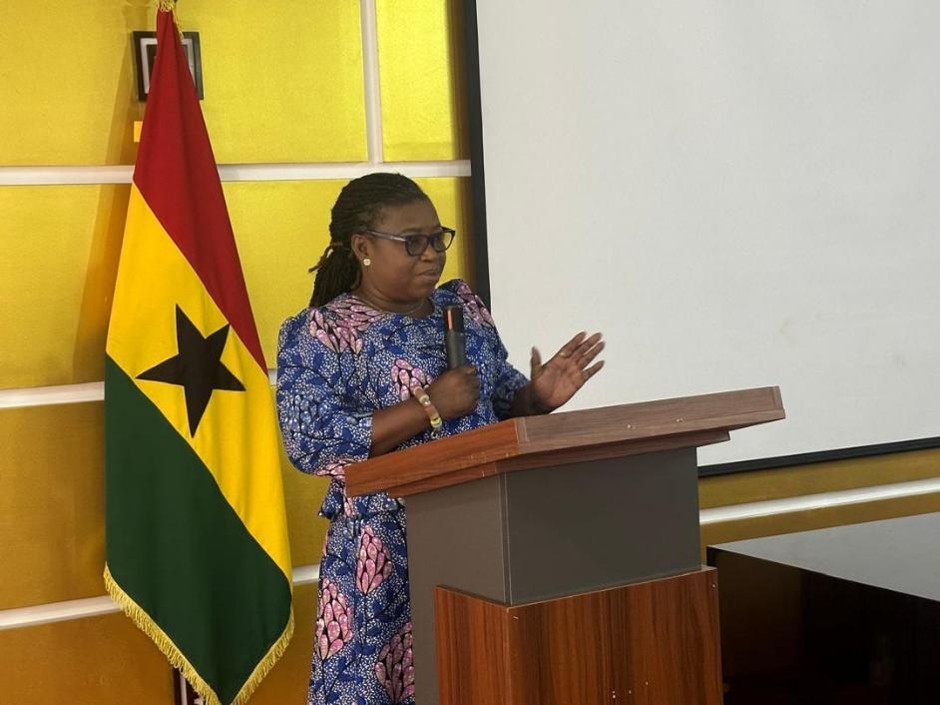
According to the Minister, the strategy is expected to deliver six major outcomes by 2030, including improving Ghana’s tax-to-GDP ratio, enabling business registration within 24 hours, and reducing youth unemployment. She explained that these reforms are aimed at strengthening public institutions and supporting national development.
The Chief of Staff, Hon. Julius Debrah, reaffirmed Government’s commitment to public sector transformation, describing an effective, accountable and responsive public service as critical to Ghana’s development aspirations.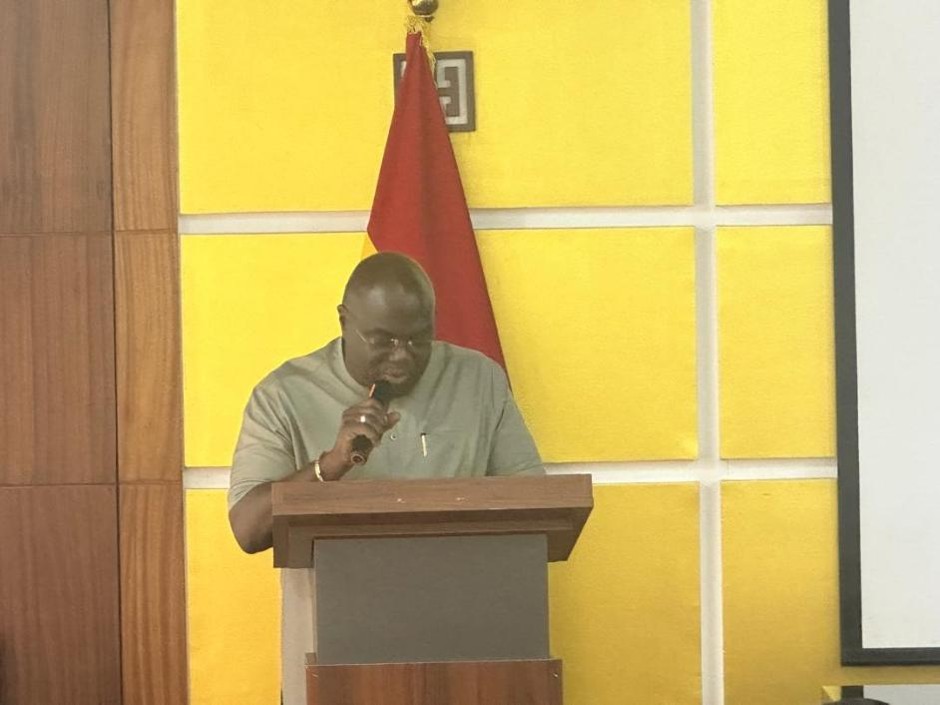
He urged members of the Oversight Committee to provide strong leadership and ensure the successful implementation, monitoring and sustainability of the strategy, particularly at a time when the country is working to overcome economic challenges and improve public service delivery.
A detailed presentation on the proposed strategy was delivered by Mr. Joseph Abbey, Director of Policy, Planning, Budgeting, Monitoring and Evaluation at the Public Sector Reform Secretariat. He outlined the Strategy’s six pillars and highlighted their potential to enhance domestic revenue mobilisation, improve public sector performance and strengthen accountability at both national and local government levels.
During discussions, stakeholders sought clarification on financing arrangements and sector-specific deliverables. Mr. Abbey explained that implementation costs would be integrated into the 2027 national budget following consultations with implementing institutions.
The Deputy Chief of Staff in charge of Administration and Chairperson of the Oversight Committee, Hon. Nana Oye Bampoe Addo, indicated that the meeting had reached an agreement on key next steps, including the development of a detailed work plan and implementation timeline, a national stakeholder validation exercise, and the preparation of a Cabinet Memorandum ahead of the strategy’s official.
The inauguration of the Oversight Committee marks a renewed commitment to build a modern, efficient and results-oriented public sector capable of driving sustainable national development and delivering improved services to citizens.
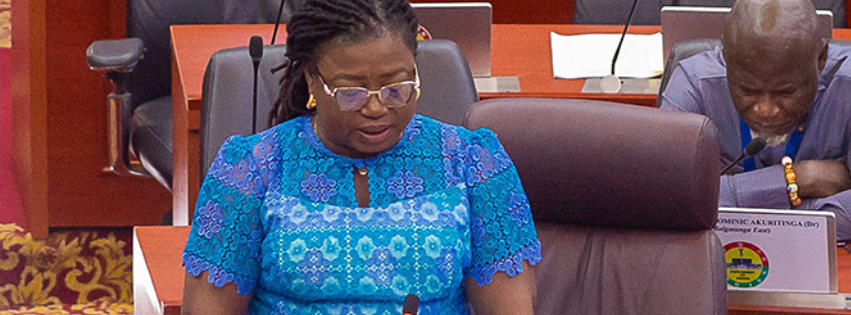
The Minister of State for Public Sector Reforms and Member of Parliament, Tempane Constituency, Hon. Lydia Lamisi Akanvariba read a joint statement on the floor of the Parliament of Ghana to commemorate the Open Government Partnership (OGP) Week.
In the statement, she applauded Ghana for adopting the OGP Principles to advance democratic rule and enhanced public service delivery. She also announced to the House key achievements attained by the country locally and globally through the implementation of the National Action Plans.
Despite the Achievement, she emphasized that “sustained progress requires renewed commitment”. She therefore called on Parliament and the Executive to provide adequate funding, enhance parliamentary oversight, deepen multi-stakeholder collaboration and prioritize the passage and implementation of pending legislative commitments under the 5th National Action Plan.
Read the full Statement Below
IMPLEMENTATION OF THE OPEN GOVERNMENT PARTNERSHIP (OGP) INITIATIVE IN GHANA AND CELEBRATION OF OGP WEEK 18TH – 22ND MAY, 2026 HON. LYDIA LAMISI AKANVARIBA, MP FOR TEMPANE CONSTITUENCY AND MINISTER OF STATE, PUBLIC SECTOR REFORMS, AND HON. EMMANUEL K. BEDZRAH, MP FOR HO WEST CONSTITUENCY AND CHAIRMAN OF THE OGP CAUCUS IN PARLIAMENT.
Mr. Speaker, I rise, to make a Joint Statement with my colleague on the implementation of the Open Government Partnership in Ghana and commemoration of OGP week which falls on the 18th – 22nd May annually.
Ghana has been a member of the Open Government Partnership since its inception in September 2011.
Mr. Speaker, in line with the globally accepted standards, Ghana’s OGP operates through a co-creation process involving government, civil society, and other stakeholders. The Public Sector Reform Secretariat, under the Office of the President, serves as its national Secretariat.
A 20-member Steering Committee, with equal representation from government and civil society co-chaired by my good self and a representative from Civil Society oversees the development and monitoring of National Action Plans. This National Steering Committee includes two Members of parliament from both sides of this House.
Mr. Speaker, since joining the Open Government Partnership, Ghana has achieved notable results through the OGP platform. These include the passage and operationalization of the Right to Information Act, 2019 (Act 989); the establishment of a public beneficial ownership register; reforms in public financial management driven by the Public Accounts Committee and Audit Reports commitment; and the strengthening of open data initiatives in sectors such as health, education, and extractives. Around half of the commitments in Ghana’s last concluded Action Plan achieved moderately early results, with progress particularly evident in access to information and corporate transparency.
This Parliament of Ghana has also been a significant player in the country’s OGP efforts, following the launch of an Open Parliament Action Plan, the establishment of an OGP Caucus in Parliament, an Open Parliament Steering Committee co-chaired by Mr. Speaker himself and a representative from Civil Society, as well as an Open Parliament Working Group that comprises of senior staff of parliament working in concert with collaborators from civil society organizations.
Rt. Hon. Speaker, Ghana’s participation in the OGP has also gained continental and global recognition. At the 2023 Open Government Awards held during the OGP Global Summit in Tallinn, Estonia, Ghana won the Africa Regional Award in the National Category for its commitment to “Public Accounts Committee and Audit Reports,” which was cited as the most inspirational reform for enhancing accountability and transparency. Additionally, Tarkwa-Nsuaem Municipal Assembly – an OGP Local member – was recognized in the Local Category for its Youth Entrepreneurship and Women Empowerment Programme. In 2021, Ghana’s Open Data Initiative implemented in 2013 received the OGP Impact Award for innovations such as “Where My Money Dey” and the “Online Blood Bank of Ghana.”
Recently at the African Open Government Partnership Conference held in Rabat, Morocco, Ghana was touted for its Open Parliament tenets, and as a country working to mainstream OGP across the State. Ghana is building an ecosystem that connects national reform with parliamentary openness, local innovation, civil society engagement, and citizen participation.
Mr. Speaker, while these achievements are commendable, sustained progress requires renewed commitment. I therefore call on this august House and the Executive, on this occasion of Open Government Week, to:
- Provide adequate financial and political support for the full implementation, midpoint refresh of the 5th National Action Plan and OGP in its entirety in Ghana.
- Strengthen Parliament’s institutional role in the OGP process through the Open Government Parliamentary Caucus, the Open Parliament Action Plan, and the Open Parliament Steering Committee – which under the auspices of Mr. Speaker, is working towards providing an extensive briefing of the Committee of the Whole House on OGP in the coming days.
- Deepen multi-stakeholder engagements to ensure that consultations extend beyond Accra and reflect the voices of citizens in all regions.
- Prioritize the passage and implementation of pending legislative commitments such as the Community Service Bill 2026, Legislative Instruments to operationalize the following Acts. The Right to Information Act, 2019 (Act 989) and the Fisheries and Aquaculture Act, 2025 (Act 1146) to consolidate gains in transparency and accountability.
Mr. Speaker, the Open Government Partnership remains a valuable platform for Ghana to deepen democratic governance and restore public trust. It is imperative that we treat its implementation not as a donor-driven project, but as a national reform agenda owned by Parliament, the Executive branch, and the people of Ghana.
I thank you, Rt. Hon. Speaker, for the opportunity.
Written By: Evelyn Adzovi Addor
With Support from: OGP-European Union
The Open Government Partnership (OGP) Ghana Office organised a consultative meeting as part of the Mid-Term Review (MTR) processes to assess the progress, gaps and develop mitigation actions to advance the 5th National Action Plan (NAP-5) implementation. The meeting was held virtually on Thursday, 26th March 2026, at the Conference Room of the Public Sector Reform Secretariat. The Mid-Term Review serves as a critical step in evaluating the country’s performance in achieving the commitments and targets set under the OGP NAP-5 (2023-2027).
Opening Statements
Hon. Lydia Lamisi Akanvariba, the Minister of State, Public Sector Reforms in her opening remarks noted, that the MTR process was not merely a procedural exercise, but a strategic process designed to ensure that commitments made to citizens on the OGP pillars of transparency, accountability, citizen’s participation and justice are not only being implemented, but are delivering meaningful change in the public service delivery. She emphasized that “the Mid-Term Review offers a timely period for the multi-stakeholder forum/Steering Committee and stakeholders to reflect on what is working, what requires adjustment, and where the next phase of reform efforts must focus”.
The Moderator for the consultative meeting, Dr. Steve Manteaw, the Co-Chair of Ghana Extractive Industries Transparency Initiative (GHEITI) and member of the OGP Steering Committee, emphasized the guiding questions that shaped the assessment, “Are we doing the right things and are we doing things right” He noted that the answers from the findings of the assessment must provide both a reassurance and a clear call to action.
A Snapshot of Progress
The MTR is usually conducted in three phases – data gathering, consultative meetings and validation workshop to assess progress from the various implementing Ministries, Departments and Agencies (MDAs), collaborating institutions and Civil Society Organisations (CSOs) on the implementation of key milestones and targets under the 19 commitments in the NAP-5.
Presenting the findings of the data gathering and assessments during the stakeholder consultative meeting, the Monitoring and Evaluation Expert who led the assessment , Mr. Kwasi Agyei Boateng, explained that the MTR assessed the implementation status of 50 milestone activities programmed for implementation over the 2024-2025 implementation period, and progress towards achievement of the commitment targets detailed in the OGP NAP-5. The findings indicate “steady and credible progress”, he stated.
He noted that approximately 70% of planned milestone activities have been completed, signaling strong institutional commitment and coordination among implementing agencies. In terms of commitment targets, 7 had been fully achieved at the time of the review, substantial progress had been made towards 9 commitment targets, while 4 remain ongoing.
Some of the fully achieved milestones were under target areas such as Gender Equality, Open Parliament, Right to Information and Power Purchasing Agreements. These results suggested that Ghana was broadly on track to deliver on its reform agenda.
However, the review also identified 5 targets at risk, with limited progress recorded. It was found that key milestones under the commitment to justice were highly at risk. These included milestones on the drafting and submission of the Community Service Bill to Parliament and the Commissioning of Legislative Instrument (L.I.) and Paralegal Framework to the Office of the Attorney General for comments and subsequent submission to Cabinet for approval. These gaps were not unusual in complex but were mainly multi-stakeholder reform processes.
Similarly, efforts to pass the Persons with Disabilities Re-enactment Bill and accompanying Legal Instrument were also identified as a risk due to limited efforts. While these commitments, among others, remain relevant, the review identified gaps in information and coordination, underscoring the need for further engagement with lead institutions ahead of the stakeholder validation.
A Defining Opportunity
Participants shared an overwhelming agreement: “These commitments highlight a broader truth: open government is not only about transparency, but also about ensuring that all citizens have a voice and a stake in governance”
Mr. Jean Pierre, the European Union OGP Contact Point, commended Ghana for the progress and efforts in advancing OGP Principles. “The findings of the mid-term assessment point to a reform process that is on course but not yet complete. Ghana has demonstrated strong implementation momentum, but the next phase will require sharper focus and strategic recalibration”, he advised.
In her closing remarks, Ms. Mary Awelana Addah, the Co-Chair of the OGP Ghana Multi-Stakeholder Forum and Executive Director of Transparency International Ghana, stated that Ghana’s mid-term assessment tells a story of credible progress with clear opportunities for acceleration. “It reflects a government and stakeholders that are committed to democratic reform, willing to reflect, and prepared to adapt”, she said.
Mrs. Thelma Ohene-Asiamah, the OGP Point of Contact for Ghana, called on the implementing MDAs and collaborating CSOs to revamp their interest in the OGP Principles. “As the country moves into the second half of its OGP cycle, the challenge and opportunity is to build on this momentum. By addressing the gaps, strengthening legal foundations, and engaging citizens in the reform process, Ghana must not only meet its commitments but also set a strong example of open governance in Africa”, she urged.
Dr. Manteaw closed the MTR meeting with a call to action: “The path ahead is clear: sustain the progress, fix what is not working, and deepen the reforms that matter most to citizens”.
Also present at the MTR meeting were some members of the OGP Parliamentary Caucus, members of the Steering Committee, representatives of MDAs and key CSOs who participated virtually by giving their contributions and cogent input into the review process. The thematic areas discussed during the breakout sessions centered on transparency, accountability, citizens’ participation, innovation and technology, and open parliament and justice.
Written By: Evelyn Adzovi Addor
With Support from: OGP-European Union
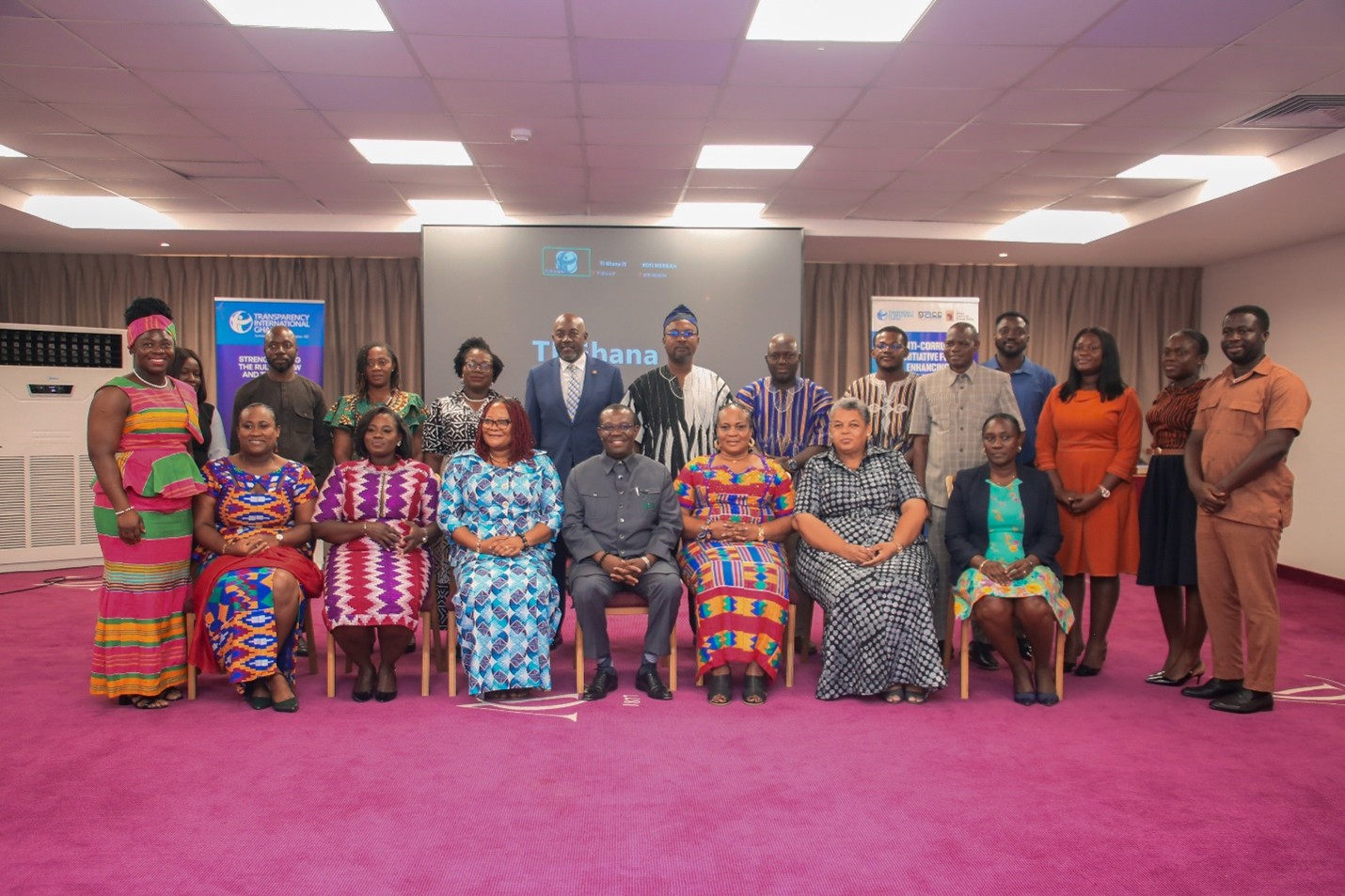
Parliament of Ghana has reaffirmed its commitment to advancing transparency, accountability, and citizen participation through strengthened collaboration with civil society under the Open Government Partnership (OGP) framework.
This came to the fore during the Quarterly Civil Society–Parliament Engagement, which brought together Members of Parliament, governance experts, and civil society organizations to review Ghana’s progress on its OGP commitments and discuss priority reforms under the current 5th National Action Plan (NAP-5).
The engagement was organized by the Transparency International Ghana in collaboration with OGP Ghana Office and the Citizens’ Bureau of Parliament. This brought together members of the OGP Parliamentary Caucus, the Ghana Anti-Corruption Coalition, and the media to dialogue on key governance reforms and strengthen the partnership between Parliament and Civil Society actors working to promote open governance in Ghana.
Ms. Mary Addah the Co-Chair of OGP Ghana National Steering Committee and Executive Director of Transparency International Ghana explained that the Quarterly Civil Society–Parliament Engagement forms part of ongoing efforts to deepen Ghana’s participation in the Open Government Partnership by fostering inclusive dialogue, strengthening institutional capacity, and promoting greater openness in governance.

The Chairman of the Parliamentary OGP Caucus, Hon. Emmanuel Kwasi Bedzrah, underscored the importance of Parliament’s role in advancing the principles of open government. According to him, the Open Government Partnership focuses on four key pillars: transparency, accountability, citizen participation, and the use of technology to enhance governance.
Mr. Bedzrah noted that Parliament plays a critical role in supporting the implementation of Ghana’s OGP commitments, particularly through legislative oversight and the passage of laws that promote transparency and strengthen anti-corruption measures.
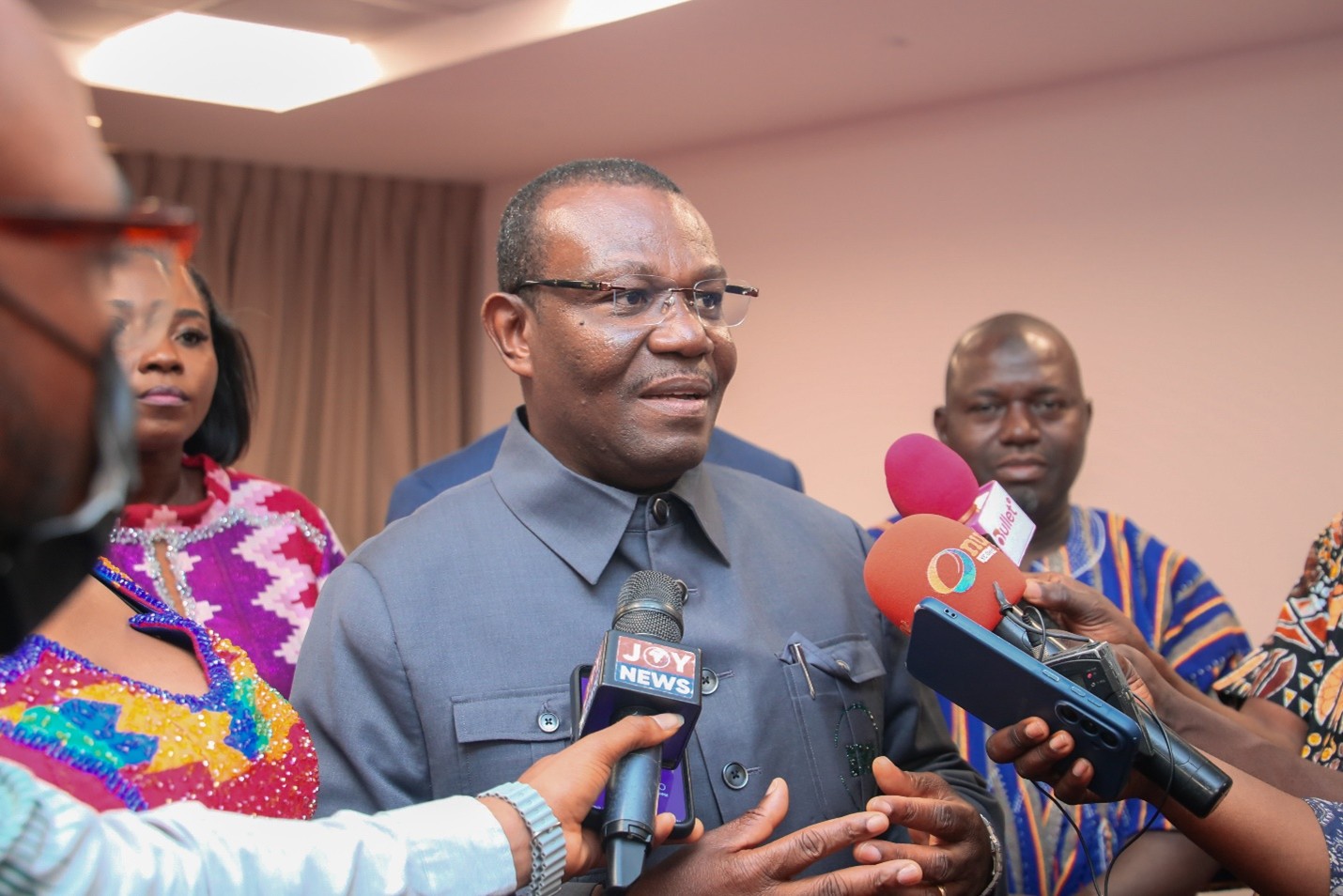
He further explained that the Parliamentary OGP Caucus serves as a bipartisan platform for Members of Parliament to monitor the implementation of OGP commitments and champion the advancement of open parliament initiatives.
The engagement also served as an orientation and refresher for members of the Caucus, especially following the 2024 general elections, which resulted in the election of new Members of Parliament and changes in the composition of the Caucus.
Participants discussed a range of priority reform areas linked to Ghana’s 5th National Action Plan (NAP-5) commitments, including Asset Declaration, the Conduct of Public Officers Bill, Open Procurement systems through digital platforms, transparency in the oil and gas sector, and improved public access to government information.
Stakeholders emphasized the importance of sustained collaboration between Parliament and civil society to ensure the successful implementation of these reforms and to strengthen democratic governance in Ghana.
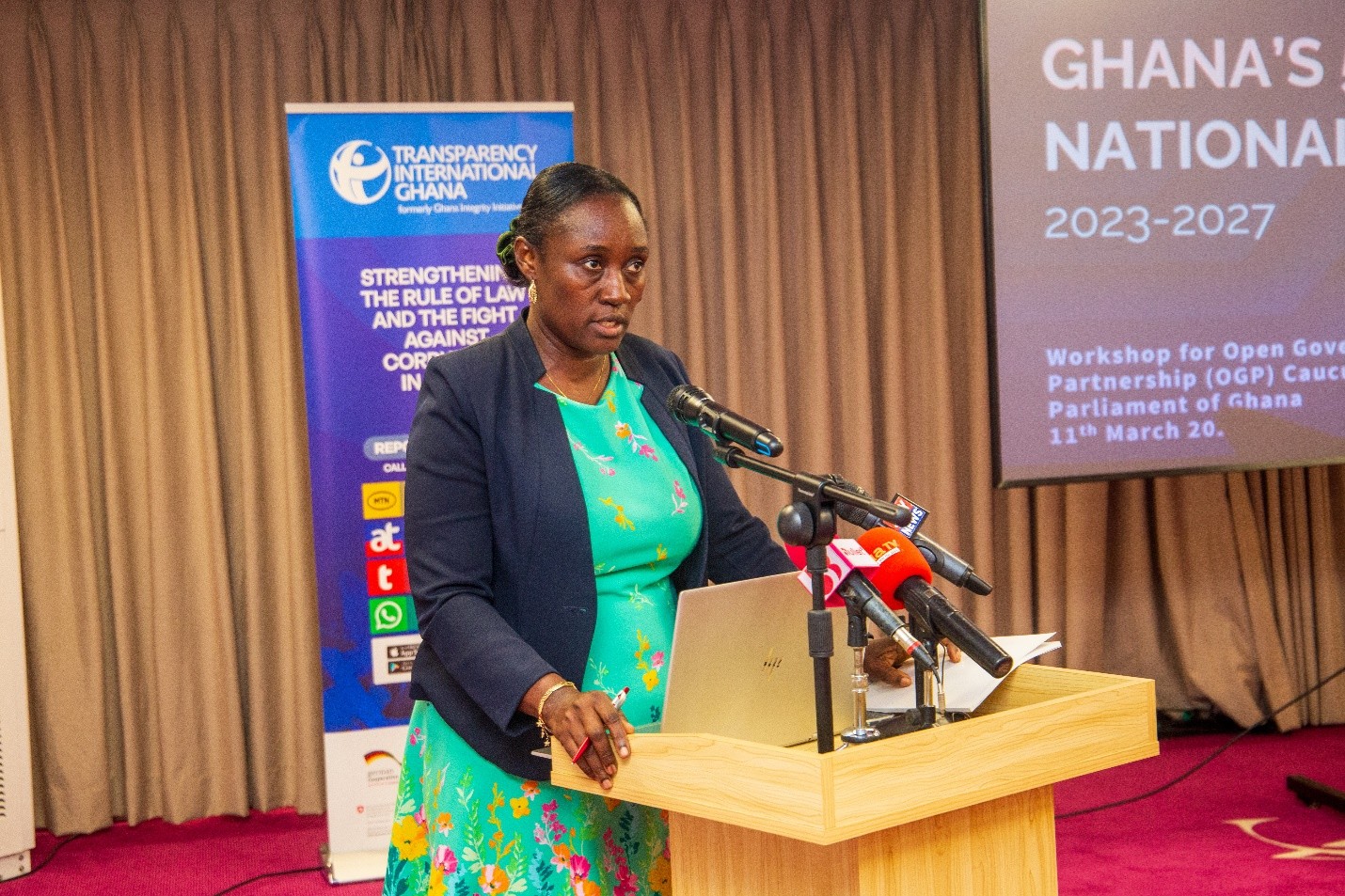
Mrs. Thelma Ohene Asiamah the Point of Contact Point, OGP Ghana explained that, Ghana is currently undergoing consultation as Part of the Mid-Term Review of the NAP-5 Commitments to assess progress and develop new strategies for implementation. She urged both Civil-Society and Parliament to support government efforts to make the public sector more transparent and accessible to citizens.
- Parliamentary Caucus Engages OGP Ghana To Advance Transparency And Accountability Reforms
- OGP Ghana Engages Ministry of Roads and Highways on Transparency and Accountability Commitments under 5th National Action Plan
- MINISTER OF STATE FOR PUBLIC SECTOR REFORMS PAYS WORKING VISIT TO SSNIT AND GRA
- Ghana Showcases Progress and Strengthens Partnerships at the 2025 Open Government Partnership Global Summit